

Multi Nozzle Ejector for Efficient Industrial Vacuum Systems
Shail Vac Engineers designs and manufactures Multi-Nozzle Ejectors for process industries that need efficient vacuum generation, reduced steam consumption, and reliable performance in demanding plant conditions.
Our multi-nozzle ejectors are engineered around motive steam distribution, suction pressure, compression ratio, vapour load, energy efficiency, and long-term vacuum system reliability.
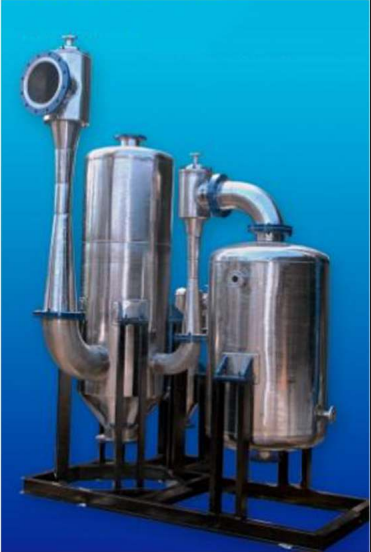 Efficient multi-nozzle ejector system
When Vacuum Efficiency Matters as Much as Vacuum Generation
Industrial plants do not only need vacuum generation. They need vacuum systems that are reliable, efficient, and practical to operate over the long term.
In many process applications, standard ejector designs can lead to higher steam consumption, larger equipment size, inefficient motive fluid use, and increased operating cost. Multi-Nozzle Ejectors are used where better distribution of motive steam, improved efficiency, and compact system design are important for the process. Shail Vac Engineers designs Multi-Nozzle Ejectors for industries that need vacuum performance with better operating efficiency.
Common Challenges We Help Solve
What is a Multi-Nozzle Ejector?
A Multi-Nozzle Ejector is an ejector-based vacuum device that uses multiple motive nozzles instead of a single nozzle.
In simple terms: a Multi-Nozzle Ejector uses multiple motive jets to create vacuum more efficiently than a standard single-nozzle arrangement in selected applications.
Working Principle
The motive steam or gas is distributed through multiple nozzles, creating high-velocity jets that generate vacuum and entrain process vapour or gas from the suction side.
Because the motive fluid is distributed through multiple nozzles, the ejector can offer better efficiency and improved performance in suitable applications.
Where It Fits
Multi-Nozzle Ejectors suit process applications where efficiency, steam savings and compact size matter alongside reliable vacuum.
How a Multi-Nozzle Ejector Works
Motive fluid is distributed across multiple nozzles instead of one central nozzle, so each nozzle forms a high-velocity jet. Together they create a low-pressure zone that entrains process vapour or gas, the streams mix inside the ejector body, and the diffuser recovers pressure before the discharge routes downstream.
Labelled working-principle diagram, multi-nozzle ejector with distributed motive jets, suction chamber, mixing section and diffuser
Where Multi-Nozzle Ejectors Fit in Vacuum Systems
Multi-Nozzle Ejectors are used where ejector efficiency, system length, steam consumption, and vacuum performance need to be optimized. They can be used for:
Shail Vac Engineers evaluates the process before recommending a Multi-Nozzle Ejector. The system is designed based on suction pressure, discharge pressure, vapour load, motive steam pressure, compression ratio, energy target, material requirement, and process application.
Key Benefits of Multi-Nozzle Ejectors
Multiple nozzles help improve motive fluid distribution and ejector performance in suitable applications.
Multi-Nozzle Ejectors can help reduce steam consumption compared to single-nozzle ejector arrangements in selected process conditions.
The design can support a shorter ejector body compared to conventional single-nozzle systems, depending on the application.
When properly designed, Multi-Nozzle Ejectors help maintain stable vacuum performance in industrial processes.
Like ejector-based systems, Multi-Nozzle Ejectors operate without rotating parts inside the ejector body.
Simple construction and no moving internal parts help reduce maintenance complexity.
Each ejector is designed based on actual vacuum level, suction load, steam condition, and plant requirement.
Applications of Multi-Nozzle Ejectors
Multi-Nozzle Ejectors are used in process industries where vacuum generation and energy efficiency are both important. Common applications include:
Each industry has different process pressure, vapour load, motive steam condition, and material requirements. That is why every Multi-Nozzle Ejector is designed around the actual process requirement.
Why Choose Shail Vac Engineers for Multi-Nozzle Ejectors?
Since 1987, Shail Vac Engineers has worked with ejector-based vacuum systems for process industries.
Our experience across vacuum applications helps us design practical ejector solutions for different industries, process loads, and operating conditions.
Shail Vac Engineers has developed Multi-Nozzle Ejector designs focused on better efficiency, shorter length, and reduced steam consumption in suitable applications.
We study suction pressure, discharge pressure, motive steam condition, compression ratio, vapour load, energy target, and material compatibility before designing the system.
Our engineering and manufacturing capabilities help maintain better control over technical accuracy, quality and delivery schedules.
We can provide Multi-Nozzle Ejectors as standalone equipment or as part of complete vacuum systems with condensers, separators, piping, instrumentation and commissioning support.
Our support continues after supply with installation guidance, commissioning support, performance checks, and system optimization.
How We Design Multi-Nozzle Ejectors
A multi-nozzle ejector is engineered around motive steam distribution, compression ratio and energy target. We work through a defined sequence, and stay involved through commissioning and performance improvement.
Outcomes That Matter to Process Plants
Multi-Nozzle Ejectors can help reduce steam consumption in suitable applications compared to single-nozzle designs.
Improved motive fluid distribution helps support efficient vacuum generation.
Shorter ejector length can help plants manage space and layout requirements more effectively.
A properly designed ejector supports consistent vacuum performance in process applications.
No rotating parts inside the ejector body help reduce mechanical failure points.
Better steam utilization, low maintenance, and rugged design help support long-term plant reliability.
Multi-Nozzle Ejector vs Single Nozzle Ejector
Multi-Nozzle Ejectors can offer better efficiency, shorter equipment length, and reduced steam consumption compared to single-nozzle systems, depending on the process condition. The right selection depends on vacuum level, suction load, compression ratio, motive steam consumption, operating cost, and plant layout.
A Multi-Nozzle Ejector uses multiple motive nozzles to distribute the motive fluid and improve ejector performance in suitable applications, often with better efficiency and shorter length.
A Single Nozzle Ejector uses one motive nozzle to generate vacuum. It is compact and suitable for defined applications, especially where high compression ratio requirements are involved.
Shail Vac Engineers evaluates the application before recommending single nozzle, multi-nozzle, or another ejector configuration.
When Should Your Plant Consider a Multi-Nozzle Ejector?
You may need a Multi-Nozzle Ejector if your plant requires:
If your existing ejector system is consuming more steam, taking more space, or not delivering expected efficiency, a Multi-Nozzle Ejector can be evaluated as a practical upgrade.
Looking for a Multi-Nozzle Ejector for Your Vacuum System?
Share your suction pressure, discharge pressure, motive steam details, vapour load, temperature, material requirement, and application with our engineering team. Shail Vac Engineers will evaluate your requirement and recommend the right Multi-Nozzle Ejector design for your plant. Whether you need a standalone ejector, steam jet vacuum system, multi-stage ejector package, vacuum system upgrade, or long-term technical support, our team can help you plan the next step.
Frequently Asked Questions
A Multi-Nozzle Ejector is used to generate vacuum in industrial process applications where better motive fluid distribution, improved efficiency, or reduced steam consumption is required.
A Multi-Nozzle Ejector distributes motive fluid through multiple nozzles. These high-velocity jets create a low-pressure zone that draws vapour or gas from the suction side and moves it through the diffuser.
Multi-Nozzle Ejectors are used in chemical, pharmaceutical, refinery, petrochemical, food processing, agrochemical, and other process industries.
Multi-Nozzle Ejectors can offer improved efficiency, reduced steam consumption, shorter ejector length, stable vacuum performance, and low maintenance operation.
Depending on the application and system design, Multi-Nozzle Ejectors can help reduce steam consumption compared to single-nozzle ejectors.
Single Nozzle Ejectors use one motive nozzle, while Multi-Nozzle Ejectors use multiple nozzles for better motive fluid distribution and improved performance in suitable applications.
Yes. Multi-Nozzle Ejectors can be designed for steam jet vacuum systems based on process requirements, suction load, and motive steam conditions.
Yes. Shail Vac Engineers designs Multi-Nozzle Ejectors based on suction pressure, discharge pressure, motive steam condition, compression ratio, vapour load, temperature, and material compatibility, and provides them as standalone equipment or as part of complete vacuum systems with condensers, separators, piping, instrumentation, and commissioning support.